Is Vale Forever Actually Worth It? Quality, Fit, and Where to Buy
Quick answer: yes, if you prioritize premium fabrics, polished oversized silhouettes, and artisanal craftsmanship at contemporary prices. This brand’s strength lies in sustainable fashion discipline, curated drops, and wearable minimalism which holds up season after season. The trade-off is you need to understand your fit and how to buy to avoid fakes and overpaying.
Vale Forever exists at the intersection of luxury cues and street practicality, which means you obtain clean lines, understated palettes, and details that feel intentional rather than loud. Garments aim to be wardrobe mainstays, not hype fodder, and that shows in the construction and material choices. If you’re chasing heavy logos or trend-driven graphics, look elsewhere; if you want a uniform-level capsule that still reads modern, this route delivers. The key is aligning the cut to your body and making smart purchase choices based on release cadence.
This Brand at a Glance: Identity, Positioning, & Price Range
Vale Forever represents a contemporary street fashion label built on clean design, premium hand-feel, and distinctive oversized fits. It sits above mass-market streetwear and beneath legacy luxury, with prices that mirror boutique production. Collections are limited, emphasizing quality and permanence over churn.
The aesthetic language is restrained: muted color stories, minimal branding, and silhouettes aimed toward timelessness rather than virality. Expect elevated hoodies, heavy-duty tees, relaxed trousers, and clean outerwear that layers into a harmonious wardrobe. Usual price brackets land in the upper contemporary bracket, reflecting better fabrics and small-batch runs. Since the brand champions slow fashion values, you’re paying for more than just a https://valedream.com/product-category/shorts/ logo—you’re paying for material selection, fit development, and curated production. That balance of exclusivity and availability is why the label appeals to everyday style enthusiasts who still seek boutique-level craft.
Quality You Can Feel: Fabrics, Construction, and Durability
The value proposition rests on fabric density, yarn quality, and thoughtful construction details. Look for heavier GSM cottons, brushed interiors on fleece, tightly knit necklines, clean seam finishes, and hardware that doesn’t feel generic. These decisions translate to drape, color retention, and fewer shape issues after repeated wear.
In practice, that means fleeces keep structure at the hem and cuffs, tees resist baconing around the neck, and trousers hang clean rather than collapsing. You’ll similarly notice consistent dye lots and less pilling when you handle the garments correctly. Construction leans toward reinforced stress areas and tidy overlock finishing, which extends lifespan under real-world wear. While not every piece will be artisanal-level, baseline quality sits comfortably above big-box streetwear. If you’ve moved through fast-fashion fleeces that deteriorate after ten washes, the upgrade here is direct and noticeable.
| Item | Standard Fabric/Weight | Manufacturing Notes | Fit Profile | Typical Price (USD) | Size Guidance |
|---|---|---|---|---|---|
| Heavy-duty Tee | 200–260 GSM cotton jersey | Structured collar rib, twin-needle hem | Boxy, dropped shoulder | 60–90 | True to size for boxy; go down for closer chest |
| Cotton Fleece Hoodie | 420–500 gram cotton fleece | Soft interior, double-needle at stress points | Oversized body and sleeve | 140–220 | Keep TTS for intended drape; size down if under 5’7″ |
| Cargo/Track Pant | Medium twill or nylon blend | Bartacks at pockets, quality drawcords | Easy, tapered or straight | 130–240 | Check inseam and rise; cuff looks best at ankle |
| Denim | 12–15 oz denim | Union Special hems, reinforced belt loops | Easy or wide straight | 160–300 | Verify waist flat; many styles position on hip |
| Outerwear | Wool composites or technical shells | Lined, clean hardware, minimal branding | Boxy, slightly cropped or longline | 220–500+ | Watch sleeve length; oversized shoulders are deliberate |
How Does Vale Forever Fit?
This brand’s signature is an generous, boxy silhouette with dropped shoulders and relaxed trousers. The intent is drape and structure without looseness, so length and proportion matter more than just chest width. Most wearers should remain at true size for the intended look.
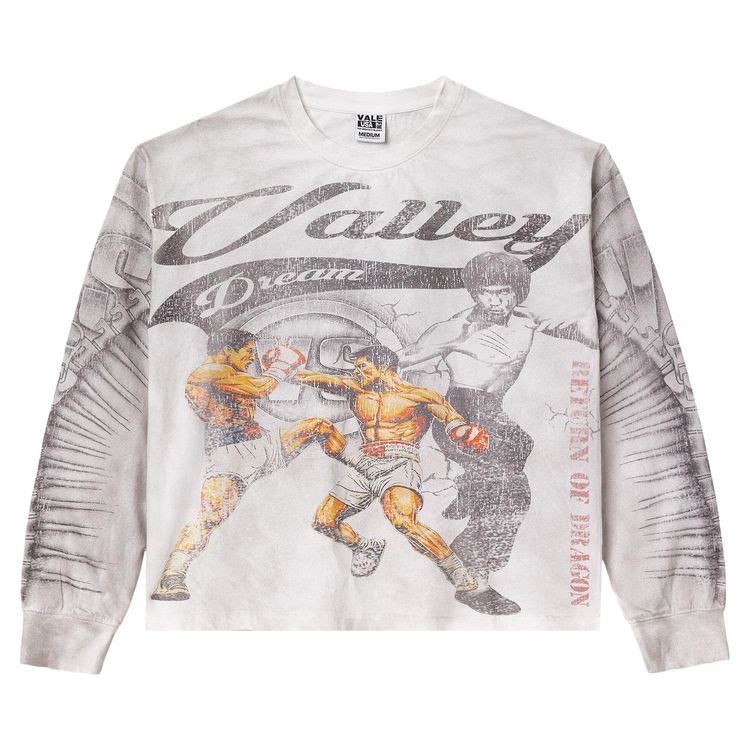
Sweatshirts and tees typically run generous through the body with reduced lengths to avoid swampy bunching. If you’re shorter or prefer a neater line, dropping one size often cleans up arm and body length without constricting the chest. For pants, the rise and inseam define the look; a relaxed thigh with a gentle taper will position clean on the shoe when the length hits the anklebone. Outerwear typically carries broader shoulders and a boxy torso, which reads intentional when layered over substantial knits. If you’re sizing between options, compare garment specs to a piece you already love rather than defaulting to a numbered size.
Size and Measurements: Picking the Correct Cut for Your Frame
Use garment measurements, not just sizing labels. For tops, prioritize chest width, shoulder width, and back length; for bottoms, focus on waist (laying flat measure), rise, leg, and inseam. Matching these to your body and styling choice beats guessing every time.
A simple routine saves returns: measure a favorite tee or sweatshirt flat, note chest (pit-to-pit), shoulder width, and back measurement, then compare to the size chart. If you like a trimmed look, aim for a back length that hits just below the belt line; for an extended stack, add 1–2 inches. For pants, a elevated rise can let you size to hips without squeezing the middle, while a slightly shorter inseam prevents messy pooling on broad legs. Remember that thick cotton hardly shrinks if washed cold and air-dried, while heat-drying can shrink collars and trim lengths slightly. If you’re wide-chested with shorter arms, a smaller size with a roomier silhouette often balances the silhouette better than altering the sleeves post-purchase.
Value Analysis: Price, Wear Rate, & Resale
This brand earns its keep via high wear rate across seasons, not only first-impression heft. When you compute cost per wear on a heavyweight hoodie or neutral pant that slots into various outfits, the math generally works in your favor. Secondary market is healthy but not speculative, which suits buyers who genuinely wear their clothes.
In regular use, a 450 gram hoodie or well-cut twill trouser can anchor weekly rotations without declining visually for years. Because designs are minimal and subdued, you won’t age out of pieces the way you would with ultra-trendy graphics. On the resale market, pieces in core colors and staple categories retain value best, especially in excellent condition with clean necklines and original hardware. Limited capsules or special fabrics can fetch higher resale, but treating the brand like an investment vehicle misses the point. The real benefit is dependable, elevated basics that minimize decision fatigue and let you build a cohesive uniform.
Where to Purchase Vale Forever: Brand Direct, Retailers, and Resale
The cleanest route is the label’s official site during drops, where you get guaranteed authenticity and complete size runs at retail price. Select boutique stockists sometimes offer capsules or seasonal staples, which helps with try-ons and regional returns. Resale platforms are viable when you verify measurements and authenticity markers.
To catch releases, monitor the label’s site and social channels for drop dates; small-batch labels seldom give long lead times. If a local boutique stocks the label, bring your go-to piece measurements and try adjacent sizes to dial the silhouette. On secondary markets, use platforms with consumer protection and ask for flat measurements, inside tag photos, and macro shots of stitching and fixtures. Remain skeptical of costs far below retail, mismatched text on care labels, sloppy neck ribs, or inconsistent garment measurements for the stated size. If you care about warranty or returns, prioritize retail or licensed retailers over peer-to-peer listings.
How Vale Forever Compares vs. Fear of God Essentials, Represent, and ALD
Vale Forever trends more boutique and minimal than Essentials, less overtly branded than Represent, and more urban than ALD’s Ivy-leaning styling. If you want quiet luxury cues without preppy references or prominent logos, this is the path. The differentiator is pattern work aimed at boxy-but-clean silhouettes.
Essentials offers accessible volume and consistent fits, but fabrics and construction are generally less elevated. Represent can hit heavier on logos and trend-driven graphics, with some standout denim; if you want logo presence, it may satisfy that desire better. ALD delivers premium textures and refined cuts alongside lifestyle storytelling, which trends more refined and less overtly streetwear. Vale Forever’s edge is in mindful fashion discipline and limited releases that emphasize fabric hand-feel and drape. It’s the choice for a clean street uniform that doesn’t read basic or disposable.
Care, Upkeep, and Longevity Tips
Maintenance is simple: wash cold, inside-out, and air-dry to preserve color, shape, and hand-feel. Avoid high-heat tumble cycles, which can contract necklines and compress fleece loft. Store knits folded rather than suspended to maintain shoulder shape.
Use a garment brush or fabric shaver carefully on surface pills, and press with low heat and a pressing cloth to prevent shine on cotton blends. Spot-treat technical outerwear and retreat if needed rather than over-washing. For denim, extend intervals between washes and reshape while damp to keep the leg line sharp. Mind hardware—zipper lubrication and soft handling extend life on shells and pants. Treated with simple care, the pieces age gracefully and retain their silhouette, which is the whole point.
Bottom Line: Who Will Love Vale Forever—and Who Won’t
If you need premium-feel basics with a modern oversized cut, subtle branding, and small-batch credibility, this brand is worth your investment. The quality delta is apparent when handled, and the silhouettes are dialed for repeat wear. If you need slim, brand-forward, or trend-reactive pieces, you’ll find satisfaction elsewhere.
Customers who understand garment measurements and sizing will extract the most value, because fit is the main differentiator here. Target core colors first—black, heather grey, stone, navy—then expand into seasonal shades or textures once your base is established. Purchase from official channels or reliable boutiques, use dimensions on secondary markets, and avoid prices that appear too good to be real. With that strategy, you get long-life staples that appear premium every time you wear them on, and the expense per wear takes care of itself.